 SiapSemak
How to Read a SiapSemak Used Car Report
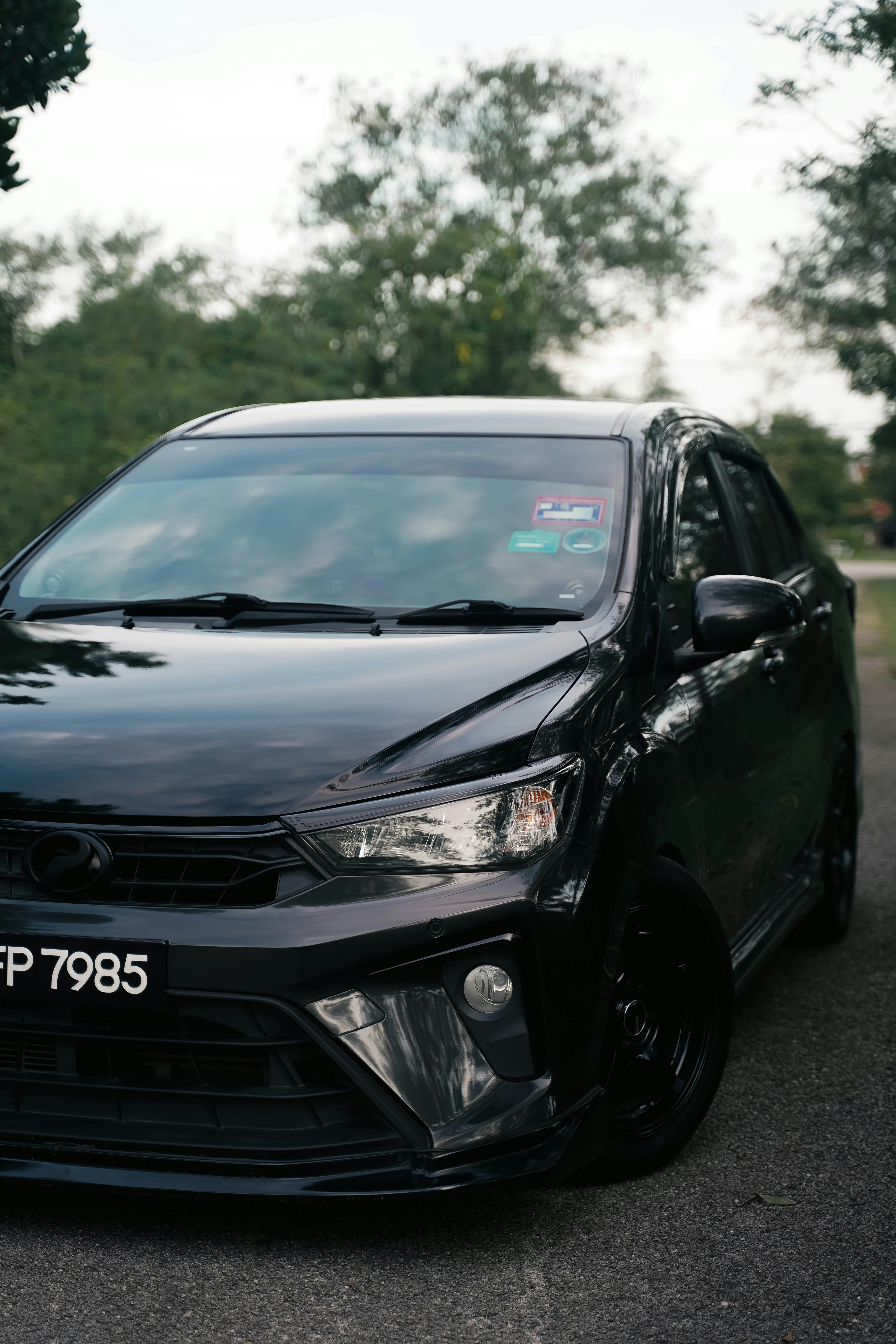
If engaging a professional car inspection service is the final step before placing a booking fee on your dream second-hand car, then going through a used car report is the preliminary due diligence step to help you understand what that car has been through before it was listed on the marketplace. While a used car report only provides data based on reported insurance claim records, it serves as a baseline for deciding whether to proceed with the deal.
The SiapSemak Used Car Report is structured into several key sections for ease of reading. Here's what each one covers.
1. Risk Banner with Vehicle Registration Number
This is the verdict of the used car report. These are some of the possible outcomes summarised from all available data provided by the Motordata Research Consortium Sdn Bhd (MRC):
- Clean/no accident. The absence of accident history does not necessarily mean the vehicle has never been in a car accident, but there is no reported incident.
- Risk-rated with accident(s) found. "Medium Risk", "Severe Risk", "High Risk", etc. Each risk rating states the number of accident histories found and the highest severity percentage band.
- Chassis-linkage warning. When a vehicle registration number or car plate has been registered to more than one chassis over time, the report flags "Plate X has been linked to N chassis numbers" and tells you to confirm the chassis number matches before relying on the record.
- Write-off flags (BER / Flood). This is a separate red-flag callout, distinct from the accident table, about possible record(s) of "Beyond Economic Repair" and/or "Flood Damage".
There may be a recommendation line at the end that suggests an appropriate action to take based on the verdict.
2. Quick Summary of Important Elements for a Used Car
To get a grasp of all important elements regarding the used car, this section covers six elements:
- Total Loss, including Actual Total Loss or Beyond Economic Repair. Whether the used car has been reported as ATL or BER by insurers.
- Flood History. Whether the used car encountered flood damage.
- Windscreen History. Whether the windscreen of the used car has been replaced and how many times it happened.
- Duplicate Registration. Whether the vehicle registration number or car plate has been registered to more than one chassis over time.
- Last Reported Mileage. How much the used car was driven, based on the reported mileage record with an as-of date. This information may not be available if it was never reported.
- Accident History. Whether there is an accident record. If there is, the max severity will be listed according to the damage extent and cost.
3. Vehicle Standard Equipment
This section covers specifications about the vehicle and its estimated vehicle value.
- Vehicle Details. Information such as Make/Brand, Model, Year Make, Variant, Engine C.C., and Transmission here are tied to the current vehicle registration. It may not match the vehicle in the accident records if the car plate was transferred.
- Estimated Vehicle Value. The Current Market Value and Approximate New Car Price are provided based on the vehicle details. However, the information may not be available in certain cases.
4. Accident History
Vehicle Details will be displayed again, with additional information such as Vehicle Age and Chassis Number. Each incident record is listed in a table, with columns for Date of Loss, Date of Authorized, Type of Accident (Collision/Windscreen/Self-Accident/Flood/Not Specified), Mileage Range, Total Parts Changed, and Severity.
The severity scale is explicitly defined every time: Low (1–5%), Medium (6–15%), High (16–30%), Severe (31–50%), Critical (51–70%), and Catastrophic (above 70%) based on claim amount vs. sum insured. Sometimes it may show "Not Relevant / No Sum Insured Provided" instead of a severity because a claim exists but severity can't be calculated. Another thing to pay attention to is that multiple rows do not mean multiple incidents — the same incident could have multiple insurance claim approvals.
If the vehicle registration number has been transferred previously, this section will be repeated for a different chassis number the used car was registered to, covering not only the current chassis but all vehicles previously registered under this car plate.
5. "What Should I Do?" Checklist
This action list serves as a reminder for you to pay attention to for the next step you should take before purchasing the second-hand car. It always includes chassis/structural inspection, mileage cross-check, airbag/safety inspection, and using the report as a negotiation tool. Some of the items shift slightly depending on the used car report findings, such as "Request the vehicle's service and repair history" for clean reports vs. "Request accident repair invoices" / "Ask seller to explain the accident" when accidents are found.
This serves as a recommendation instead of a foolproof step that gets you the perfect second-hand car.
6. Terms of Service & Disclaimer
There are three disclaimers that explain data limitations to set the right expectation.
- Vehicle details reflect the record at time of policy. It may not match the current car plate if it has been recently transferred.
- Accident history is chassis-linked, so records may belong to a previous vehicle on the same car plate.
- Charges apply per search regardless of outcome, and "no record found" does not mean "never had an accident".
7. Support & Helpline
If you have any questions regarding the used car report you received, there are convenient links to WhatsApp and email on the report so you can reach out to the SiapSemak support team easily.
You can check out the SiapSemak Used Car Report Sample to have a better picture of what you would receive in a used car report. The seemingly simple process of doing due diligence with a click of a button can save you a lot of time and effort in screening through many used cars that you are surveying, helping you narrow down great options in the used car market. Take advantage of the resources publicly available to make an informed choice when purchasing a second-hand car.