 SiapSemak
How to Spot Odometer Fraud as an Everyday Car Buyer
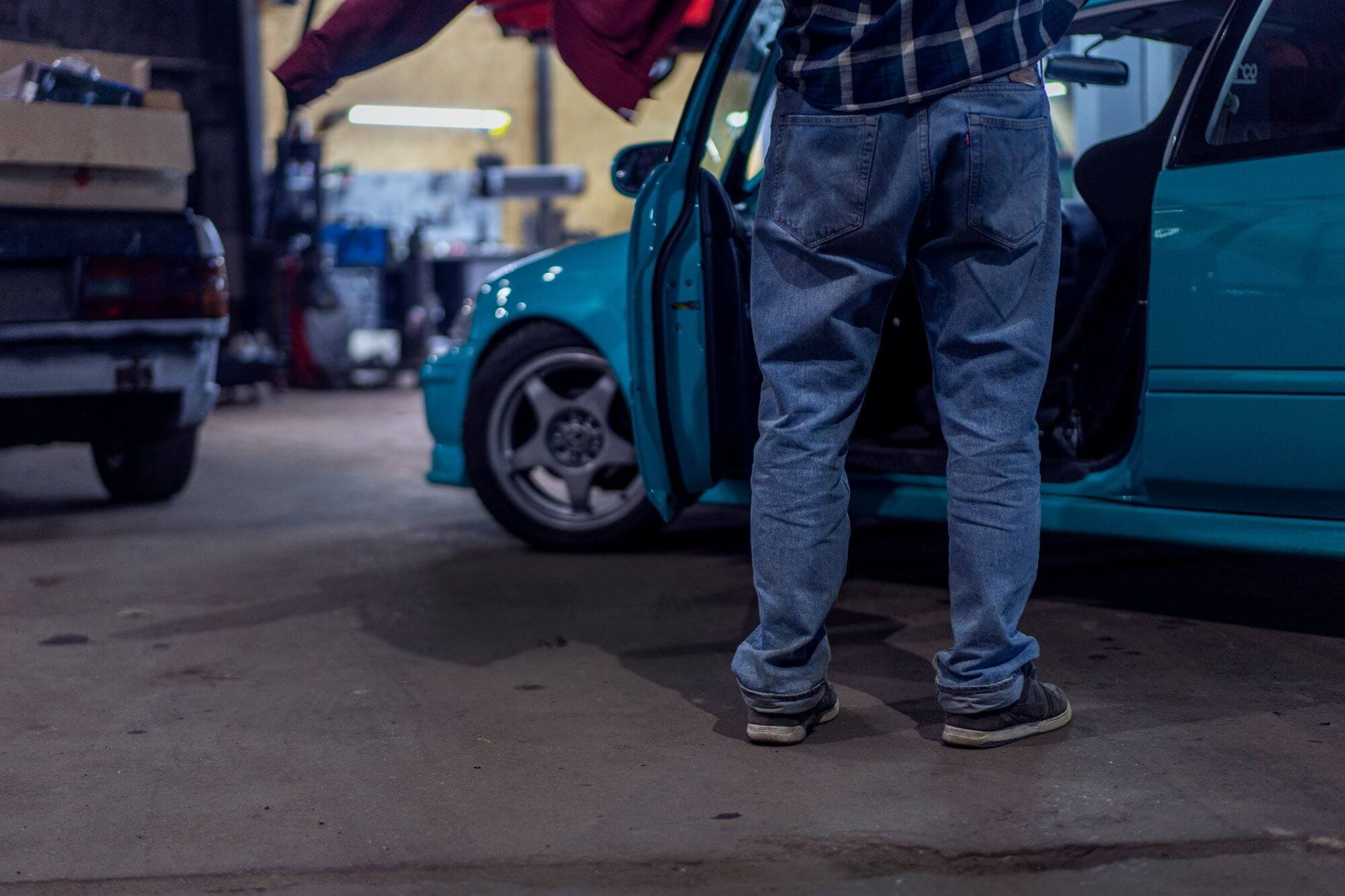
A car’s mileage reading is not an absolute indicator of how likely the car is to break down or require intensive maintenance. It is simply a reference point for how heavily or lightly the car was used. A heavily used car requires frequent maintenance, and if that is not done, the risk of breaking down rises sharply. Together with other factors such as service frequency and accident history, mileage is used to estimate the market value of a second-hand car. Hence, being able to spot odometer fraud is important to avoid buying a car that appears younger than it really is.
Look for Obvious Signs of Wear and Tear
While it takes a professional inspection to find out the wear and tear of parts like brakes, suspension, and belts, everyday car buyers can still assess the condition of a second-hand car by looking at the tyre grooves, the seats, and the steering wheel. All car parts deteriorate over time, even when they are not used, so this observation helps you sniff out false claims from the owner or seller. It is a red flag if a car is claimed to be rarely driven but the tyres are worn out. On the other hand, if a car has been used for several years but the tyres look brand new, and the owner or seller claims that no part has been replaced, something fishy is going on.
Ask for the Service and Repair Records
New cars require strict scheduled maintenance at an authorised car service centre so that owners do not void their warranty. So, if a second-hand car you are considering is fairly new, the owner or seller should have a complete service history until the warranty expired. These service records often include a mileage reading at the time of inspection. For older cars well past the warranty period, having service records is a bonus, as it shows the owner took good care of the car. It is also a good sign if the owner or seller is willing to show all repair records, which give you an idea of what the car has gone through over the years.
Hire a Professional Car Inspection Service
It would be costly, but hiring a mechanic or inspection service you trust to inspect the car thoroughly is the most reliable way to confirm that the car’s condition matches what the owner or seller claims. Professionals can use electronic scan tools to detect mileage discrepancies across the car’s multiple electronic control units (ECUs). They also carry out physical and mechanical inspections, which give you a solid idea of the car’s condition without relying on the mileage reading alone.
Purchase a Used Car Report
If you are looking at several second-hand cars, purchasing a used car report for each one using its car plate number or vehicle identification number (VIN) is an inexpensive way to spot discrepancies in the mileage reading. A used car report states the last reported mileage of the car based on its insurance claim records. For each recorded accident, a mileage range is also reported. You can compare the odometer reading with the last reported mileage on the report to judge whether the owner or seller is trustworthy before you proceed with the deal. Since a used car report comes from an independent third party not affiliated with the owner or seller, it is a reliable source.
In a survey conducted in a Facebook community, more than 55% of respondents reported driving between 15,000 km and 25,000 km per year. It is not unusual for a used car to reach 100,000 km in five years. With an estimated 70% of used car dealers tampering with odometers, buyers need to be vigilant to avoid costly mistakes from buying a second-hand car whose condition is not as good as claimed.